Cost-Effective Restoration
Asphalt Driveway Resurfacing in New Jersey
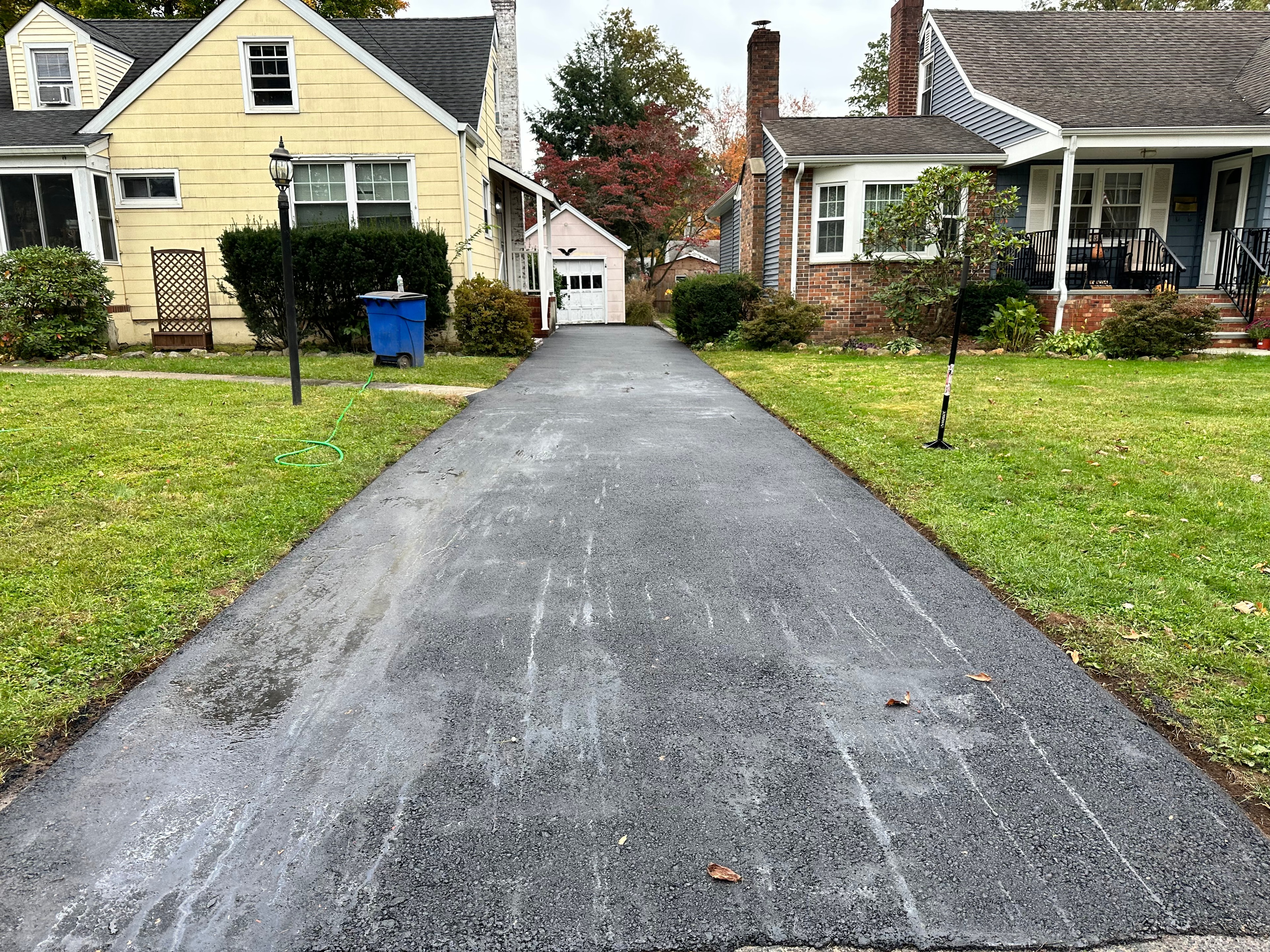
Driveway resurfacing — also called an asphalt overlay — is the process of applying a new layer of asphalt over an existing driveway. When the base is structurally sound but the surface has deteriorated, resurfacing restores your driveway's appearance and function at a significantly lower cost than full replacement. HomeCraft Paving & Masonry performs driveway resurfacing throughout North and Central New Jersey.
Is Your Driveway a Candidate for Resurfacing?
Resurfacing is appropriate when the existing asphalt base is structurally intact and damage is limited to the surface layer. Signs that resurfacing may be sufficient: surface cracking without base failure, fading and oxidation, minor raveling at the edges, and general weathering. Signs that full replacement is needed instead: deep alligator cracking indicating base failure, significant settling or heaving, widespread potholes, or drainage problems that require regrading. We evaluate your driveway honestly during the free estimate.
The Resurfacing Process
Proper resurfacing begins with surface preparation. We clean the existing driveway, fill significant cracks, and address any areas of localized base failure before applying the overlay. The new asphalt layer is typically 1.5 to 2 inches thick and is compacted to achieve proper density. The result is a smooth, fresh surface that extends the life of your driveway.
Milling vs. Overlay
In some cases, we recommend milling — grinding down the existing asphalt surface — before applying the new layer. Milling removes the deteriorated surface material and provides a better bond for the new asphalt. It also allows us to maintain the existing grade and avoid raising the driveway height at garage aprons and curb transitions. We recommend milling when the existing surface is significantly deteriorated or when height clearance is a concern.
Edge Treatment
The edges of a resurfaced driveway require careful attention. We taper the new asphalt at the edges to create a smooth transition to the surrounding grade. Belgian block borders, if present, are protected during the resurfacing process. New Belgian block edging can be installed as part of the resurfacing project to provide a clean, defined edge and prevent future edge deterioration.
Longevity & Maintenance
A properly executed resurfacing job typically adds 8–15 years to the life of your driveway. The longevity depends on the condition of the base, the quality of the overlay installation, and ongoing maintenance. We recommend sealcoating the resurfaced driveway after it has cured (typically 6–12 months after installation) and every 3–5 years thereafter.
Frequently Asked Questions
Ready to Get Started?
Call 908-864-1113 or request a free estimate online. No obligation — just an honest evaluation of your property.